Trump Threatens Strikes on Iranian Infrastructure After New Attacks in Strait of Hormuz
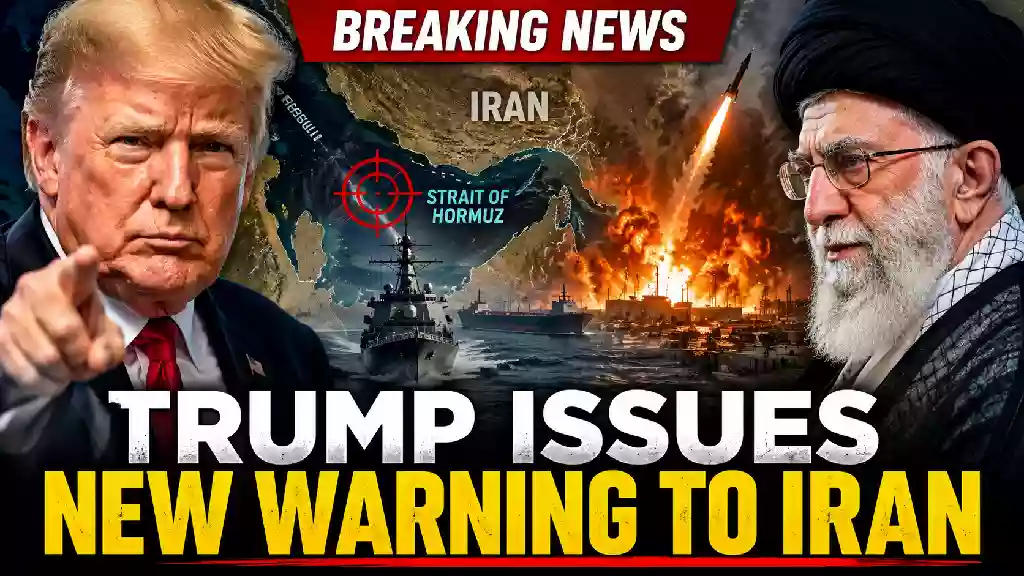
President Donald Trump issues a fresh warning to Iran following renewed tensions in the Strait of Hormuz, as the United States signals potential military action against Iranian infrastructure amid ongoing regional conflict.
Trump Threatens Strikes on Iranian Infrastructure After New Attacks in Strait of Hormuz
President Warns Tehran of Immediate Military Response as US Campaign Expands and Shipping Crisis Deepens
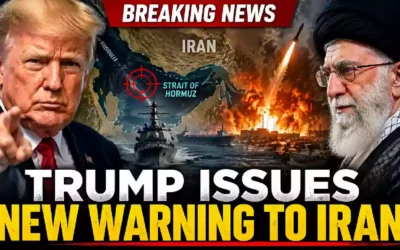
President Donald Trump has issued a new warning to Iran, declaring that the United States will respond with direct military strikes against critical Iranian infrastructure if Tehran continues attacking ships in the Strait of Hormuz. The warning comes as U.S. military operations against Iranian targets continue for an 11th consecutive night and tensions across the Middle East show little sign of easing.
Trump Issues Stark Warning to Iran
President Trump said the United States would retaliate forcefully if Iran targets commercial or military vessels traveling through the Strait of Hormuz, one of the world’s most strategically important shipping lanes.
According to the report, Trump posted on Truth Social that any Iranian attack involving missiles, rockets, drones, or other weapons against ships in the waterway would prompt the United States to strike Iranian bridges or power plants, including facilities located near or inside the capital of Tehran.
The statement represents one of the administration’s strongest public warnings since hostilities between Washington and Tehran intensified.
U.S. Military Expands Air Campaign
The latest warning follows continued U.S. airstrikes against Iranian military positions, with operations now entering their 11th straight night.
While previous strikes focused largely on military assets around the Strait of Hormuz, the report indicates the campaign could soon expand deeper into Iranian territory.
One location drawing particular attention is Pickaxe Mountain, a fortified site near Iran’s Natanz nuclear facility. According to the report, Israeli officials believe Iran has transferred nuclear centrifuges into underground tunnels at the site. President Trump suggested the area could soon become a major target of U.S. military operations.
Rubio Reaffirms Opposition to Iranian Nuclear Program
Secretary of State Marco Rubio reiterated that the United States considers a nuclear-armed Iran unacceptable.
Speaking during a visit to the Philippines, Rubio said Washington remains committed to preventing Iran from advancing its nuclear ambitions while also protecting international shipping from repeated attacks.
He accused Iran of threatening freedom of navigation by targeting vessels moving through the Strait of Hormuz, an essential corridor for global trade and energy supplies.
Fresh Iranian Attacks Reported Across the Region
The report says Iran launched additional drone attacks overnight targeting Kuwait and Bahrain. Jordan also reported incoming missiles, with air defense systems intercepting projectiles near Aqaba while explosions were heard across southern Israel.
U.S. Central Command (CENTCOM) stated that Iran has attacked more than 30 commercial vessels during the past three months, actions it says have endangered civilian mariners and disrupted international maritime commerce.
Shipping traffic through the Strait of Hormuz has reportedly slowed significantly, with only nine vessels transiting the waterway on Tuesday, according to shipping data cited in the report.
Diplomacy Remains Stalled
Although both the United States and Iran have indicated they remain open to negotiations, diplomatic efforts have yet to produce meaningful progress.
The report notes that mediation attempts involving Qatar and Pakistan have failed to secure a breakthrough. Rubio said Washington remains willing to pursue diplomacy but believes Iran is not currently demonstrating a serious commitment to negotiations.
He added that the United States will continue efforts to safeguard commercial shipping while reducing Iran’s ability to threaten international maritime traffic.
Economic Pressure Builds on Tehran
Alongside military operations, Iran is facing increasing economic strain.
According to the report, the renewed U.S. naval blockade is costing Iran hundreds of millions of dollars in lost revenue each day. Inflation continues to climb, while the Iranian rial has weakened sharply against the U.S. dollar, adding to domestic economic pressures.
The report also highlights longstanding infrastructure and economic challenges inside Iran, suggesting the combination of financial hardship and military pressure is placing additional stress on the country’s leadership.
Strait of Hormuz Remains Global Flashpoint
The Strait of Hormuz continues to serve as one of the world’s most critical maritime corridors, carrying a substantial portion of global oil shipments. Any disruption to traffic through the narrow waterway has the potential to affect international energy markets and global trade.
With U.S. military operations expanding, diplomatic negotiations stalled, and regional tensions continuing to rise, the confrontation between Washington and Tehran remains a major international security concern.
President Trump’s latest warning signals that any future attacks on vessels in the Strait of Hormuz could trigger another significant escalation in the ongoing U.S.-Iran conflict, even as diplomatic channels remain open.
#Trump #DonaldTrump #Iran #USIran #BreakingNews #MiddleEast #StraitOfHormuz #IranNews #WorldNews #Geopolitics #MilitaryNews