US Expands Iran Campaign With Strait of Hormuz Strike as Military Pressure Intensifies
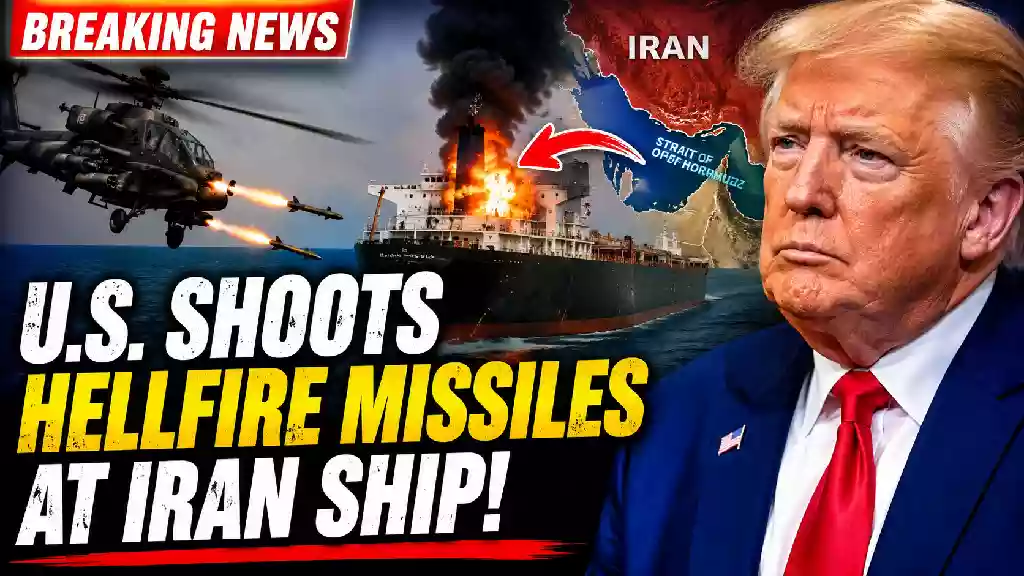
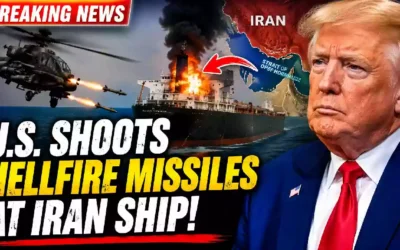
A dramatic illustration depicting the reported U.S. military strike near the Strait of Hormuz, highlighting heightened tensions between Washington and Tehran as naval operations and regional security concerns intensify.
US Expands Iran Campaign With Strait of Hormuz Strike as Military Pressure Intensifies
Washington Steps Up Operations to Enforce Naval Blockade
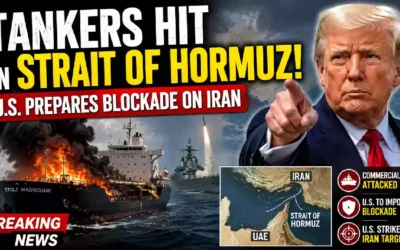
The United States has expanded its military campaign against Iran, carrying out new strikes near the Strait of Hormuz as Washington intensifies efforts to restrict Tehran’s military operations and secure one of the world’s most critical shipping lanes. According to U.S. officials, American forces launched a precision strike against a commercial vessel that allegedly ignored repeated warnings while attempting to approach Iran’s main oil export terminal, underscoring the administration’s commitment to enforcing its renewed naval blockade.
The operation marks the latest phase in a broader military strategy designed to weaken Iran’s ability to threaten commercial shipping and regional stability amid rising tensions across the Middle East.
Hellfire Missile Strike Targets Vessel Near Iranian Waters
According to U.S. Central Command (CENTCOM), American forces fired Hellfire missiles at a commercial vessel after it reportedly failed to comply with military instructions to remain clear of Iranian-controlled waters near Karg Island. U.S. officials said the vessel was attempting to reach Iran’s primary oil terminal despite the ongoing blockade, prompting military action.
The Strait of Hormuz remains one of the world’s busiest energy corridors, with a substantial share of global crude oil shipments passing through the narrow waterway each day. Continued military activity in the region has heightened concerns over global energy supplies and maritime security.
Trump Administration Maintains Maximum Pressure Strategy
President Donald Trump indicated that his administration intends to continue applying military and economic pressure on Iran while leaving the door open for negotiations if Tehran changes its approach.
The president also referenced the release of an American woman who had reportedly been unable to leave Iran since 2024. While describing the development as positive, administration officials emphasized that it would not necessarily alter ongoing military operations or the broader U.S. strategy toward Iran.
Officials further stated that the administration has no plans to deploy American ground forces inside Iran, maintaining that any political change should ultimately be determined by the Iranian people.
Sustained Air Campaign Targets Iranian Military Infrastructure
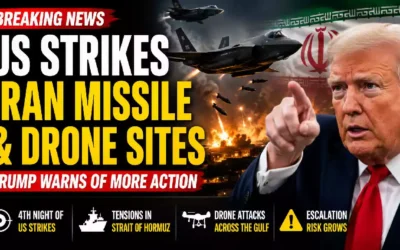
Beyond the maritime operation, U.S. forces have continued conducting extensive airstrikes against Iranian military positions along the country’s southern coastline. According to officials, dozens of military sites have been targeted over several consecutive days in an effort to reduce Iran’s ability to launch attacks against commercial vessels and allied forces operating throughout the Gulf region.
Military briefings indicate that the strikes have focused on coastal facilities, military barracks, and infrastructure believed to support operations capable of disrupting maritime traffic through the Strait of Hormuz.
Regional Tensions Continue to Rise
Iran has responded with strong public warnings while reportedly attempting retaliatory strikes against several U.S. military installations located in Bahrain, Kuwait, Iraq, and Jordan. U.S. officials stated that those attacks caused little operational impact and that coalition forces continue to maintain defensive superiority across the region.
Iranian leaders have also reiterated threats involving the Strait of Hormuz, a development closely monitored by global markets because of the waterway’s importance to international oil exports.
Senate Debate Reflects Growing National Security Concerns
Speaking during the discussion, Senator Tom Cotton defended the administration’s military strategy, arguing that sustained pressure is necessary to protect commercial shipping and deter future Iranian attacks. Cotton also said Iran has repeatedly demonstrated little willingness to negotiate under existing conditions.
The Arkansas senator additionally criticized delays in Congress involving defense legislation and the renewal of Section 702 of the Foreign Intelligence Surveillance Act (FISA), arguing that prolonged legislative disputes could affect U.S. intelligence and military readiness during a period of heightened international tensions.
Global Attention Focuses on the Strait of Hormuz
As U.S. military operations continue and diplomatic efforts remain uncertain, the Strait of Hormuz has once again become the focal point of one of the world’s most consequential geopolitical confrontations. With international shipping, global energy markets, and regional security all at stake, developments in the Gulf are expected to remain under close scrutiny in the days ahead.
#BreakingNews #USIran #Iran #StraitOfHormuz #MiddleEast #WorldNews #DonaldTrump #MilitaryNews #GlobalSecurity #Geopolitics