Medicare Fraud Crisis: The $60 Billion Problem Threatening U.S. Healthcare
medicare-fraud.2.jpg
Medicare Fraud Crisis: The $60 Billion Problem Threatening U.S. Healthcare
Introduction: The Silent Crisis in American Healthcare
Medicare, one of the most critical pillars of the U.S. healthcare system, is facing a growing threat—not from rising costs or aging populations, but from widespread fraud. Recent hearings led by lawmakers have uncovered alarming evidence that billions of taxpayer dollars are being lost each year through abuse, deception, and systemic loopholes.
What was once considered isolated misconduct now appears to be a deeply rooted issue with national implications.
The Scale of the Problem: A $60 Billion Annual Loss
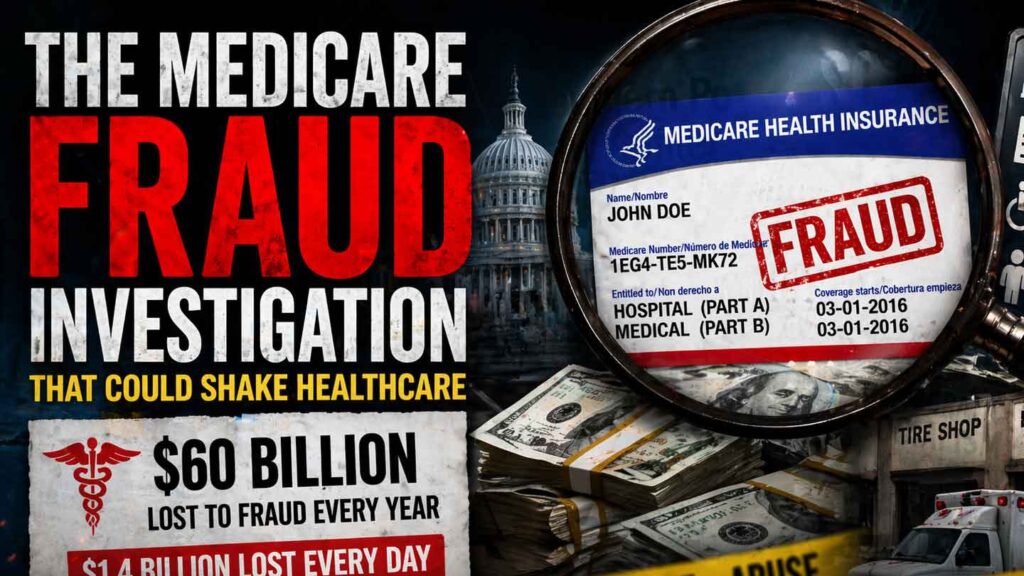
Testimony presented before the House Ways and Means Committee revealed that more than $60 billion is lost annually to Medicare fraud alone. This figure highlights a massive financial drain on a system designed to support millions of Americans.
Breaking it down further, lawmakers estimate that the federal government loses approximately $1.4 billion per day to fraud, waste, and abuse across programs.
These numbers suggest not just inefficiency—but a systemic failure in oversight.
How the Fraud Happens: Exploiting System Weaknesses
Fraud within Medicare often follows a pattern: bad actors exploit administrative gaps to enroll fake patients, submit false claims, or operate illegitimate businesses under the guise of healthcare services.
In many cases, individuals or organizations apply for Medicare benefits or provider status without meeting the required qualifications. Once approved, they can bill the system for services that were never provided.
This process reveals a troubling reality—fraud is not always sophisticated, but it is persistent and widespread.
Hospice Fraud: When Patients Become Victims
One of the most disturbing findings involves fraud in hospice care programs. Fraudulent providers have been accused of enrolling patients into hospice care without their knowledge.
In one reported case, a patient seeking physical therapy was denied coverage because records falsely showed they were already enrolled in hospice care. The enrollment had been created without consent, allowing fraudulent providers to collect payments.
This type of scheme not only drains funds but directly harms patients by restricting access to necessary medical services.
Fake Facilities: A Breakdown in Oversight
Investigators also uncovered shocking examples of fraudulent healthcare operations. In Los Angeles County alone, authorities shut down hundreds of hospice centers linked to fraudulent activities. Some of these so-called medical providers were reportedly tied to unrelated businesses such as tire shops or food stands—raising serious concerns about how licensing and verification processes are conducted. These cases demonstrate a clear breakdown in regulatory oversight and enforcement.
A Broader Pattern: Fraud Beyond Medicare
While Medicare fraud is a central focus, it is part of a larger issue affecting multiple federal programs. Similar patterns of abuse have been identified in:
- Childcare funding programs
- Durable medical equipment billing
- Other government assistance systems
Lawmakers argue that excessive bureaucracy and weak accountability have created an environment where fraud can thrive.
Policy Response: Efforts to Close the Gaps
In response, policymakers—including Joni Ernst—are advocating for a comprehensive set of anti-fraud measures.
This legislative package includes multiple bills designed to improve oversight, strengthen verification systems, and reduce financial losses. If implemented, these reforms could save an estimated $240 billion in taxpayer funds over time. Supporters believe these changes are essential to restoring efficiency and accountability.
Why It Matters: Protecting Public Trust
The implications of Medicare fraud extend beyond financial loss. These programs are built on trust—trust that funds will be used appropriately and that patients will receive the care they need.
When fraud undermines that trust, it weakens confidence in the entire system and raises concerns about long-term sustainability.
Conclusion: A System at a Crossroads
The Medicare fraud investigation has revealed a problem that is both widespread and deeply concerning. With billions lost each year and real patients affected, the need for action is clear.
Moving forward, meaningful reform will require not only new legislation but also stronger enforcement, better technology, and a commitment to accountability at every level.
Read More
Iran’s military council reportedly cuts off Khamenei from his own government